the discography of Taiga Lain, reviewed
THIS LIST IS BROUGHT TO YOU BY: Taiga Lain
WANT ME TO REVIEW AN ALBUM, DISCOGRAPHY OR GAME? CLICK HERE TO KNOW MORE!
THE ARTIST
Taiga Lain is one of those artists whose name is also the band's name. He's a guy - a multi-instrumentalist and arranger - but also a rotating cast of instrumentalists and singers. Taiga has a record of rearranging 20th century japanese folk music and nursery rhymes, with influences ranging from Haruomi Hosono to Ichiko Aoba. Their discography isn't big as of yet, but their releases are certainly interesting and warrant some listens if you haven't done so yet.
Since most of Taiga's music are rearrangements of popular nursery rhymes, I'll also listen to other renditions and list those here in case you want to check them out!
I: 赤い靴 (SINGLE #1)
Renditions listened:
- Chiemi Hori, 1992: The most melancholic, only vocals and a solemn acoustic guitar.
- Ritsuko Owada, [unknown year]: Taiga's main reference for his rendition. Similarly melancholic, but with richer instrumentation. Couldn't find an official release or date.
- Uncredited, [1970s?]: I loved this one but couldn't for the life of me find the origin. I asked Taiga for help but he told me it was common for these things to be recorded and be published uncredited, so, welp.
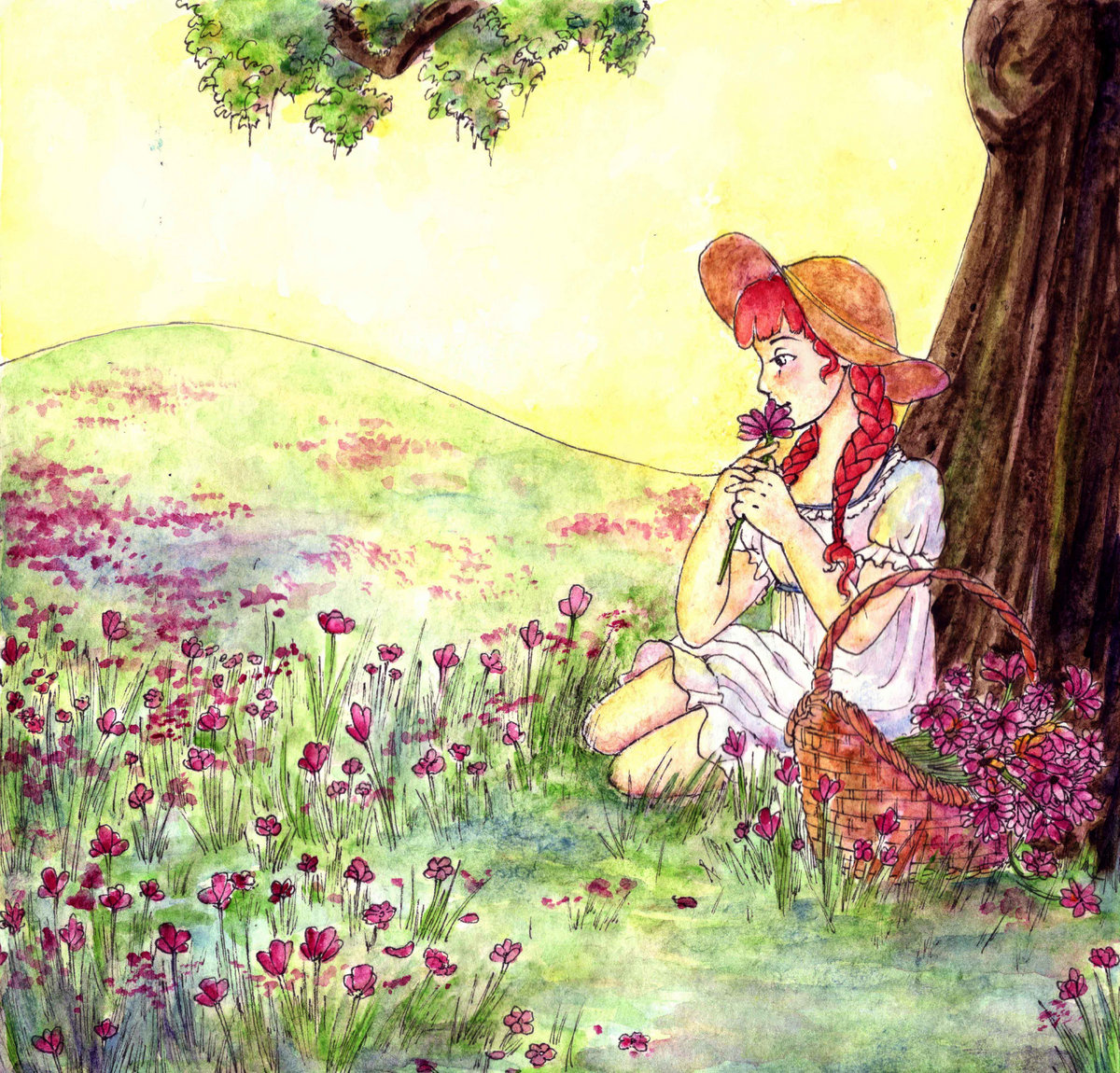
Taiga's first single was a rendition of a 1922 nursery rhyme, Akai Kutsu. Like many classic nursery rhymes, this one has a dark, melancholic tone to it. Taiga's version manages to capture that melancholy while also having a relatively upbeat rhythm, heavily resembling bossa-nova (which we'll see more from later). It sounds significantly more rhythmic than other versions I listened to. The original additions range from a clarinet number and an acoustic guitar solo.
This is an incredible, incredible recording. The mixing is crystal clear, every piece complements each other perfectly.
Personally, though, one thing I feel brings the recording a bit is the clarinet. Not the performance, but the choice of instrument. If it had a liiittle bit of reverb, it might sound better, but I feel like if it was a different wind instrument (like a flute) it would sound much better.
II: 通りゃんせ (SINGLE #2)
Renditions listened:
- Uncredited, [Unknown]: Pretty standard. Nothing unexpected.
- shalo, 2016: Taiga's inspiration. Very different from everything else here, a very cinematic and spacious version, I highly reccomend this one.
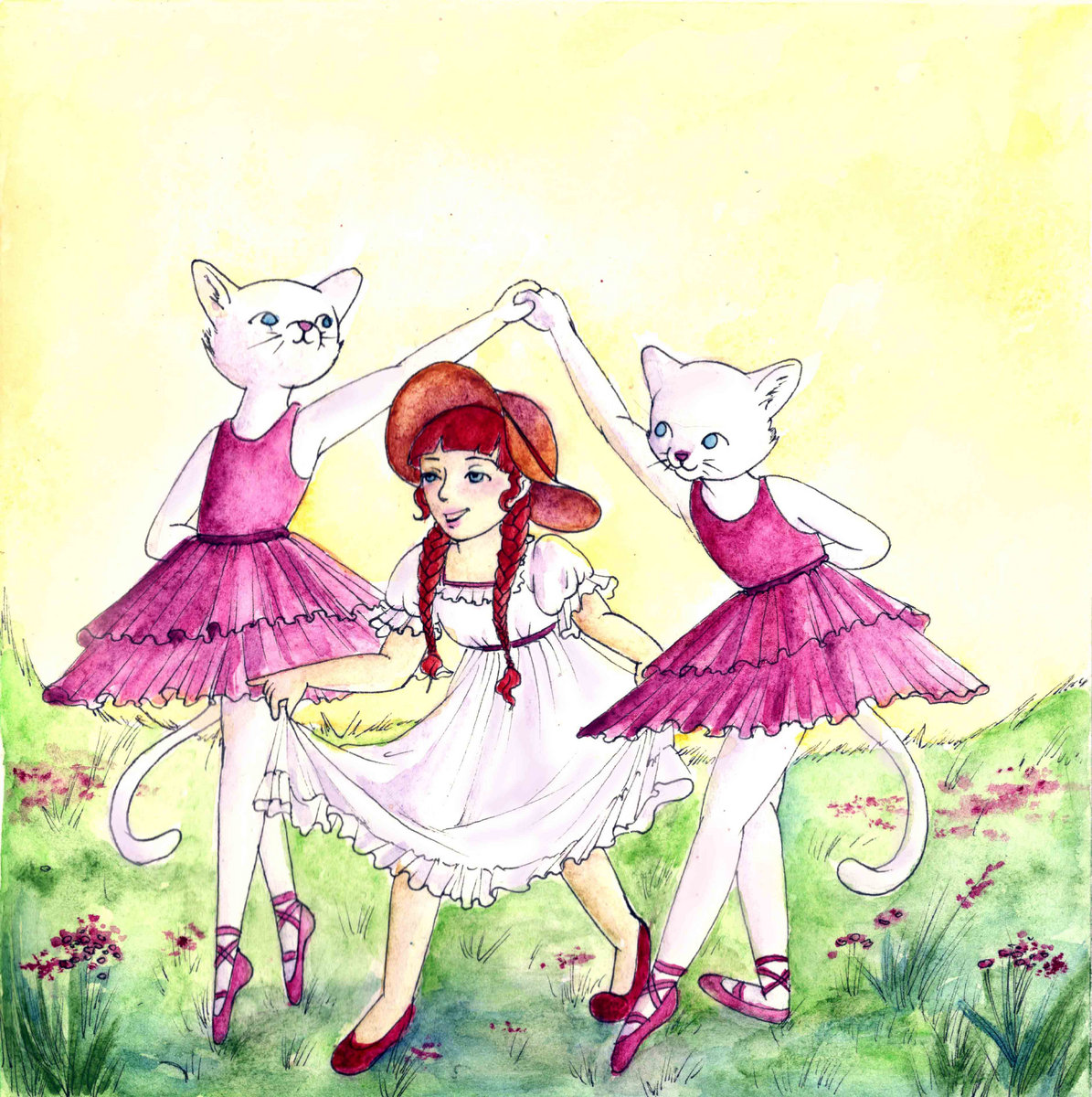
This is a nursery rhyme I've heard before, but I have no idea where or when. It's called Touryanse.
The arrangement here is more psychedelic and even cinematic. I wouldn't call it all out melancholic or sad but it definitely has a darker tone. The string solo in the middle is a bit weird, it sounds a bit out of tune in relation to the other instruments but apart from that it's pretty solid. The ending is so distant and beautiful, my favourite part of the song.
III: 月の砂漠 (SINGLE #3)
Renditions listened:
- Kurumi Kobato, 1986: I don't really like this one. It sounds corny, very traditionally 60's/70's; Nothing special.
- Yujiro Ishihara, [unknown]: A simple but effective acapella.
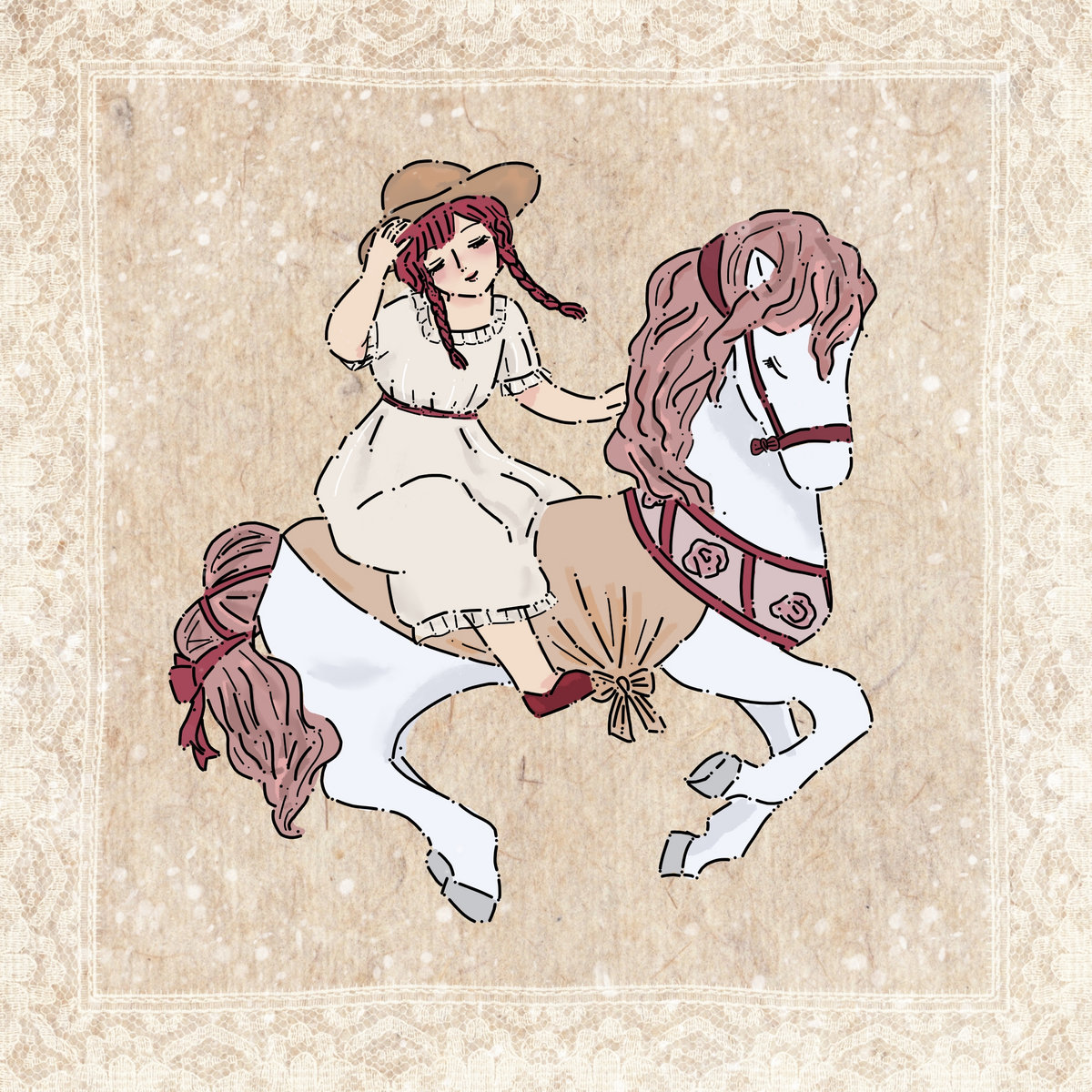
If Taiga's Akai Kutsu wasn't so good, Tsuki no Sabaku would be my favourite of his folk arrangements. The instruments are all great too, having less than the previous singles, it's more minimalistic, no off-key instruments or questionable instrument choice. Just guitar, bass, and strings.
The percussion and guitar have a bossa feel to it, but it sounds much more somber than you'd expect. It sounds a lot like Cartola (and his contemporaries), from the violins to the guitar, there's a sonic emphasis on introspection and longing. Good stuff!
IV: 赤とんぼ (SINGLE #4)
Renditions listened:
- Taeko Onuki & Ryuichi Sakamoto, 2010: A decisively Taeko-sounding recording, specially the vocals. Sakamoto's piano reminds me of Vince Guaraldi as well as his more popular piano compositions.
- Ichiko Aoba, 2022: A direct cover of Taeko and Sakamoto's arrangement, this specific recording is more my style, since Ichiko's vocals and piano are distant from the microphone and the stage's acoustics enrich them both.
- Saori Yuki & Sachiko Yasuda, 1986: My favourite of these three. Heavenly and soft, like angels dancing on clouds. You know what? I'll listen to this whole album!
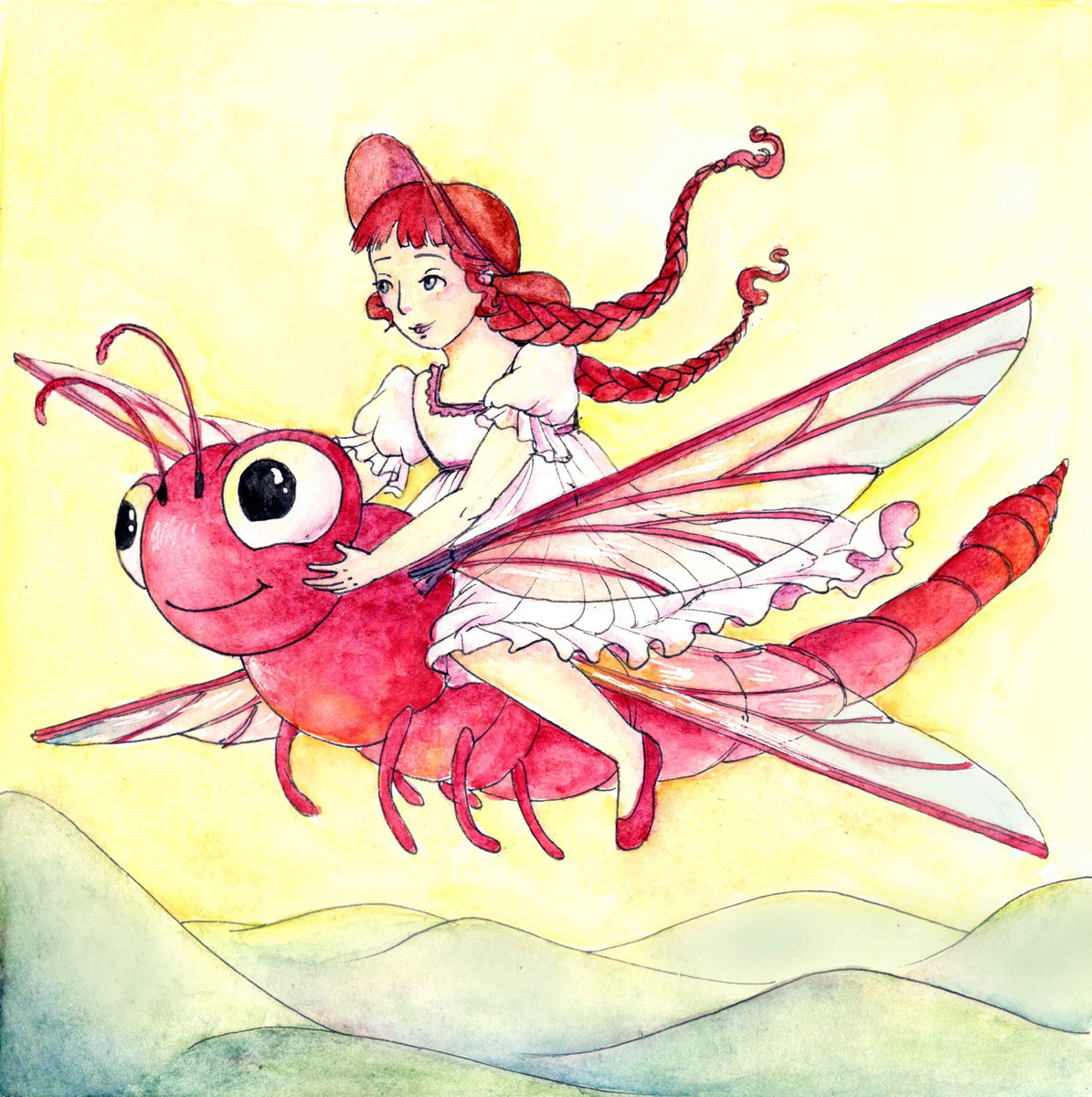
This one makes it obvious, if you didn't already know, that one of Taiga's influences is Ichiko Aoba. It also reminds me of Mimori Yusa's incredible Mizuiro (Water Blue) EP. It's just guitar, bass and vocals, just like an Ichiko song - which makes sense because Ichiko's version was one of the inspirations for this.
There's a lot of reverb here. If you've read my review of Mizuiro, this makes me think of similar imagery, although veering more towards rural life. Huge sprawling mounts of greenery, not a lot of trees, maybe a river, occasional little huts and houses. This is the same imagery that one of the most magical albums ever made, Just Another Diamond Day, conjures up in my mind.
It's much more contemplative and calm than Taiga's other arrangements thus far.
V: はっぴいえんでぃんぐ (EP #1)

はっぴいえんでぃんぐ is Taiga's first extended play release, after only releasing singles. Each track here has a different story, a different reason for being here. Some are, familiarly, rearrengements, while others are original pieces. The EP's mixing is also notably better than everything thus far.
The first track, Jerusalem, is Taiga's first venture into english language music, and it's my favourite in here. It sounds surprisingly asian - I say that as I'm not really sure if it sounds more japanese or chinese. This effect is helped by the harp but mostly the vocals, which sound a lot like classical japanese and chinese music - at least to my ears, which are admittedly not as trained in that area as I'd like them to be.
This album also features a slightly reworked arrangement of Tsuki no Sabaku. I prefer this version's vocals and the EP's better mixing also helps.
I wasn't very impressed with the fourth track, a sort of ode to Hosono's Tropical Trilogy. The song has underlying darker tone in the strings for most of its runtime, which contrasts the upbeat rhythm and the premise of it being a tropical-feeling track. The next song is similarly unimpressive to me.
Now, CANÇÃO AZUL is an interesting surprise... I'll start by saying I do really like this one. The lyrics were written by friend of the show Ray Menezes - whom I'd call a "notorious Ichiko Aoba specialist" - and just like Advantage Lucy's 'so', this song heavily benefits from being written by a native speaker. It's a fun one, although the production could use more instruments. In my opinion, chords played on strings such as violins or cellos would give it a richer atmosphere - or perhaps the complete opposite could be done, stripping the song of most instruments except for the guitar, flute and drums, making it a more intimate recording. Taiga says in the EP's bandcamp page's description that the arrangement was inspired by 80's citypop, but to me it sounds more like the very early citypop of SUGAR BABE (and by proxy, Taeko Onuki's first couple records).
The EP ends with a very simple chiptune track that I could take or leave; It feels like an early draft or practice composition (if you're a musician you'll understand what I mean) and that's pretty much what it is according to the description. It does resemble Taiga's aesthetic in the more upbeat tracks, and that's kinda cool.
Overall, I really enjoyed this one and I'd reccomend the tracks I mentioned!
WHERE TO GO FROM HERE?
This playlist is a good starter, but you could also check out this one that also has the entire discography, but with accompaning tracks that are each release's main inspiration. You could also listen to Ichiko Aoba, Haruomi Hosono's Tropical Trilogy, Mimori Yusa's Mizuiro, and Akina Nakamori's Crimson - which is totally unrelated, but it never hurts to put it on!



Comentários
Postar um comentário